Resources

PEG Alternatives for LNPs

 Explore how PEG‑free shielding lipids enhance LNP stability, circulation, and targeting while overcoming PEG‑related limitations to enable more flexible and effective RNA delivery. 

Shielding lipids are essential components in lipid nanoparticle (LNP) formulations, playing a key role in stability, circulation time, biodistribution, and delivery efficiency. As concerns around PEGylation continue to grow, next-generation PEG-free alternatives are emerging to support safer, more effective, and more versatile nucleic acid delivery systems.

This product highlight explores innovative shielding strategies designed to maintain the benefits of steric stabilization while improving formulation flexibility, in vivo performance, and compatibility with advanced RNA therapeutics and gene delivery applications.


Form

Download the PEG-Free Shielding Lipids Product Highlight
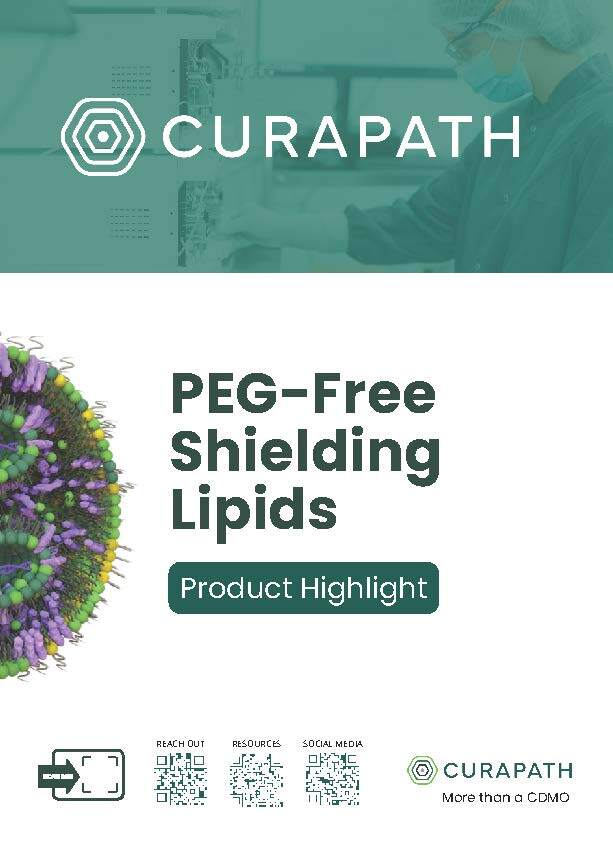
PEG- Free Shielding Lipids 2026

Access the full highlight to discover our next‑generation PEG‑free shielding lipid technology that improve formulation flexibility, in vivo performance, and compatibility with advanced RNA therapeutics. 

Why Are PEG Alternatives Needed in LNP Development?  

The use of PEGylated lipids has been instrumental in the success of lipid nanoparticle (LNP) technology, providing steric stabilization, improved circulation time, and enhanced formulation robustness. However, growing evidence suggests that PEG can also introduce limitations that may affect the performance of next-generation RNA therapeutics.

Repeated administration of PEG-containing formulations has been associated with the formation of anti-PEG antibodies and accelerated blood clearance (ABC), potentially reducing therapeutic efficacy over time. In addition, PEGylation can sometimes limit cellular uptake and create challenges when combining shielding strategies with active targeting approaches.

As the field moves toward more sophisticated applications such as repeat dosing, extrahepatic delivery, gene editing, and in vivo cell engineering, researchers are increasingly exploring PEG alternatives capable of maintaining shielding performance while improving biological compatibility and formulation flexibility.


PEG Lipids vs PEG-Free Shielding Lipids    

Feature PEG Lipids PEG-Free Shielding Lipids
Steric stabilization
Circulation support
Anti-polymer antibodies Reported in some cases Reduced risk potential
Repeat dosing compatibility Potential limitations Improved suitability
Active targeting compatibility Moderate High
Formulation flexibility Moderate High
Next-generation delivery applications Limited by PEG concerns Strong potential


Why Are PEG Alternatives Needed in LNP Development?  

The use of PEGylated lipids has been instrumental in the success of lipid nanoparticle (LNP) technology, providing steric stabilization, improved circulation time, and enhanced formulation robustness. However, growing evidence suggests that PEG can also introduce limitations that may affect the performance of next-generation RNA therapeutics.

Repeated administration of PEG-containing formulations has been associated with the formation of anti-PEG antibodies and accelerated blood clearance (ABC), potentially reducing therapeutic efficacy over time. In addition, PEGylation can sometimes limit cellular uptake and create challenges when combining shielding strategies with active targeting approaches.

As the field moves toward more sophisticated applications such as repeat dosing, extrahepatic delivery, gene editing, and in vivo cell engineering, researchers are increasingly exploring PEG alternatives capable of maintaining shielding performance while improving biological compatibility and formulation flexibility.


Common PEG Alternatives for LNPs   

Several polymer and lipid-based technologies are being explored as alternatives to PEG in advanced LNP formulations. These materials aim to provide comparable shielding performance while reducing immunogenicity concerns and enabling new delivery strategies. 

Polysarcosine (pSar)

Polysarcosine has emerged as one of the most promising PEG alternatives due to its excellent stealth properties, low protein adsorption, and strong biocompatibility. pSar-based lipids can provide effective shielding while supporting repeat dosing strategies and advanced RNA delivery applications.

Poly(2-oxazoline)s (PAOx)

Poly(2-oxazoline)s offer highly tunable physicochemical properties and have gained significant attention as next-generation stealth polymers. Their flexibility makes them attractive candidates for nanoparticle stabilization, drug delivery, and bioconjugation applications.

Zwitterionic Shielding Systems

Zwitterionic materials can create highly hydrated surfaces that minimize non-specific interactions with biological components. These systems are increasingly being investigated as alternatives to PEG for improving circulation and reducing immune recognition.

Polymer-Lipid Hybrid Shielding Technologies

Novel hybrid systems combine the benefits of lipid engineering and polymer chemistry to create multifunctional shielding strategies capable of supporting advanced delivery requirements such as active targeting, extrahepatic delivery, and repeat dosing.

PGA-Diol Shielding Lipids

PGA-diol is a PEG-free shielding technology developed to provide effective steric stabilization while supporting the evolving requirements of next-generation RNA therapeutics. Based on biodegradable poly(glutamic acid) chemistry, PGA-diol combines shielding performance with enhanced formulation flexibility, making it suitable for advanced LNP applications including repeat dosing strategies, active targeting approaches, and lyophilized formulations.


Shielding Technology Key Advantages Typical Applications
Polysarcosine (pSar) Stealth properties, repeat dosing potential RNA delivery, LNPs
PAOx Tunable chemistry, biocompatibility Drug delivery, bioconjugation
Zwitterionic Systems Reduced protein adsorption Long-circulating nanoparticles
PGA-diol enhanced stealth propiertes, enables lyophilization Lyophilized  LNPs
Custom Shielding Lipids Tailored performance Advanced therapeutic programs


Applications of PEG-Free Shielding Lipids   

PEG-free shielding lipids are increasingly being incorporated into next-generation lipid nanoparticle (LNP) systems designed for a broad range of nucleic acid therapeutics. By combining steric stabilization with improved formulation flexibility, these technologies can support advanced delivery strategies that extend beyond the capabilities of traditional PEGylated systems.

mRNA Therapeutics and Vaccines

PEG-free shielding lipids can support the development of mRNA-based therapeutics and vaccines by helping maintain nanoparticle stability while reducing some of the limitations associated with repeated administration. Their compatibility with advanced formulation approaches makes them attractive candidates for both prophylactic and therapeutic applications.

siRNA and Gene Silencing

Efficient delivery remains one of the major challenges in RNA interference (RNAi) therapeutics. PEG-free shielding systems can contribute to nanoparticle stability and biodistribution while supporting the delivery of siRNA payloads to target tissues.

Gene Editing Platforms

Gene editing technologies such as CRISPR-based systems require highly efficient and reliable delivery vehicles. PEG-free shielding lipids can be integrated into LNP formulations designed to transport mRNA, guide RNA, and other gene editing components while maintaining formulation performance.

In Vivo Cell Engineering

Emerging applications such as in vivo CAR-T generation and immune cell programming require delivery systems capable of supporting targeting strategies and repeat dosing regimens. PEG-free shielding approaches can provide additional flexibility when designing these next-generation therapeutic platforms.

Extrahepatic Delivery

As the field moves beyond liver-targeted delivery, PEG-free shielding lipids are being investigated for applications involving lung, immune cells, central nervous system (CNS), and other hard-to-reach tissues. Their compatibility with active targeting strategies may help expand the range of accessible therapeutic targets.


Related Resources

Related Resources on PEG Alternatives and LNP Development

Discover technical insights, application notes, and scientific content designed to support RNA therapeutics, lipid nanoparticles, and polymer-based delivery platforms. 

PEG Alternatives:

PEG Alternatives: Polymers Reshaping Lipid Nanoparticle Drug Delivery

Replacing PEG in lipid nanoparticles (LNPs) marks a critical evolution in the development of safer and more effective nucleic acid delivery systems. While PEG has long been the gold standard for nanoparticle stabilization, its association with immunogenicity and reduced efficacy upon repeat dosing has sparked a growing shift toward alternative polymers. Emerging materials like polysarcosine and poly(2-oxazoline)s offer comparable stealth and formulation performance, without triggering unwanted immune responses, paving the way for next-generation RNA therapeutics and gene delivery platforms. 

Diseño sin título (6)
Products

Curapath Product Catalog

Discover Curapath's cutting-edge offerings in our catalog. Explore our LNP and PNP components, as well as our polymer conjugates, all designed to advance drug delivery. Enhance your research and development with our high-quality products. 
para el siguiente post del blog
Formulation Screening

Formulation Development Services

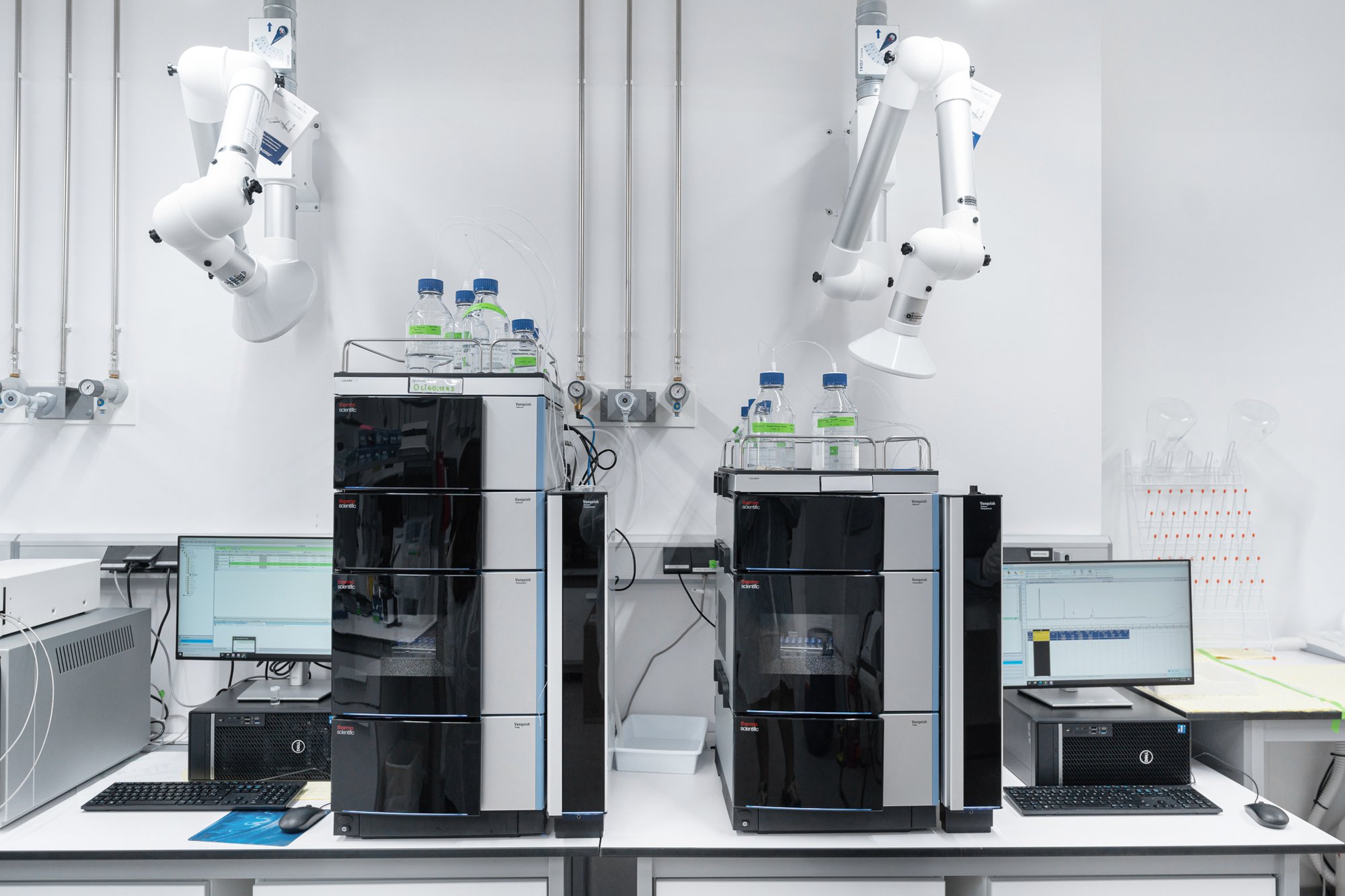
 Discover Curapath’s Essential, Advanced, and Expert formulation packages for LNP & PNP systems, flexible, cost-effective solutions for drug delivery development. 

primer post
Next generation LNP Development

Next generation LNP Development

Certest and Curapath have joined forces to develop a novel LNP formulation leveraging the complementary Benefits of their proprietary excipients

Captura de pantalla 2025-03-17 133515
CDMO

CDMO Services Brochure

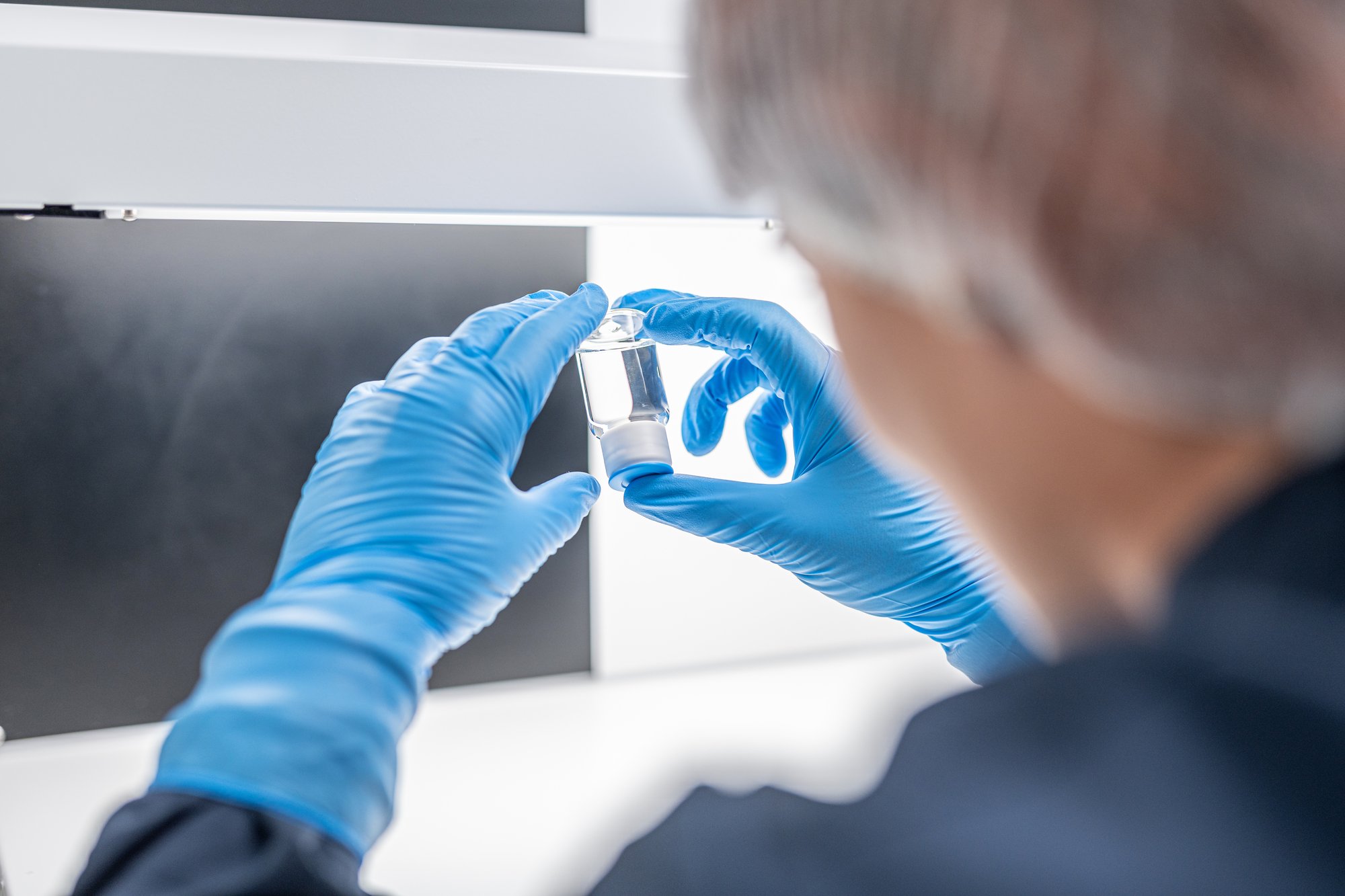
This leaflet outlines Curapath’s lipid- and polymer-based CDMO platform for advanced drug delivery, covering drug substance and drug product development, analytical services, GMP manufacturing, and sterile Fill & Finish capabilities.


segundo
PEG‑Free Shielding Lipids

Frequently asked Questions

Curapath is a European Contract Development and Manufacturing Organization (CDMO) specialized in lipid- and polymer-based delivery systems. We support biotech and pharmaceutical companies from early development through GMP-ready manufacturing.


Our core expertise includes polymer and lipid excipients, lipid nanoparticles (LNPs), polymer nanoparticles (PNPs), polymer–drug conjugates, and coating polymers.

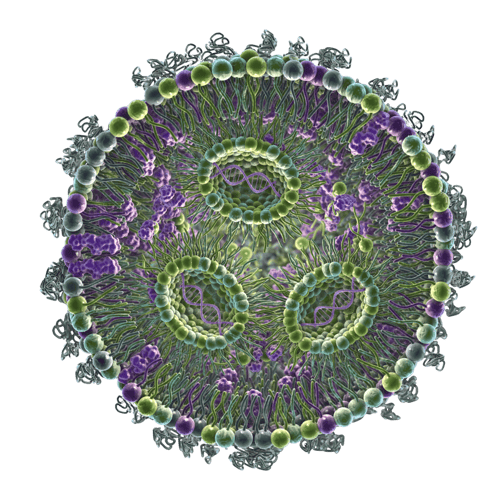
PEG-free shielding lipids are next-generation stabilizing lipids designed to replace traditional PEGylated lipids in lipid nanoparticle (LNP) formulations. These excipients create a hydrophilic protective layer around LNPs, helping to improve nanoparticle stability, circulation time, and overall formulation performance while avoiding the limitations commonly associated with PEG.

Unlike conventional PEG-lipids, PEG-free alternatives — such as polysarcosine (PSar)-based or other polymer-based shielding lipids — are being developed to support enhanced biocompatibility, reduced immunogenicity concerns, and improved repeat dosing potential. They can also contribute to better particle integrity during manufacturing, storage, and lyophilization processes.

PEG-free shielding lipids are increasingly explored in advanced RNA and gene delivery applications, including mRNA, saRNA, siRNA, CRISPR, and targeted LNP systems, particularly where long circulation times, extrahepatic delivery, or repeated administration are important considerations.


PEGylated lipids have traditionally been used in lipid nanoparticle (LNP) formulations to improve stability, reduce aggregation, and prolong circulation time. However, growing evidence suggests that PEG can also introduce several limitations that may impact the safety and performance of advanced drug delivery systems.

One of the main concerns is the development of anti-PEG antibodies, which can lead to accelerated blood clearance (ABC) upon repeated administration. This immune recognition may reduce LNP circulation time, decrease therapeutic efficacy, and limit the potential for chronic or repeat-dose treatments. In some cases, PEG has also been associated with hypersensitivity reactions and complement activation.

As RNA therapeutics and gene delivery applications continue to evolve, there is increasing interest in PEG-free alternatives that can maintain or improve nanoparticle stability while reducing immunogenicity risks. Next-generation shielding lipids — including polysarcosine (PSar)-based and other polymer-based systems — are being explored to support repeat dosing strategies, enhanced biocompatibility, improved extrahepatic delivery, and more robust formulation performance.

Replacing PEG may also provide advantages in formulation flexibility, targeting strategies, and long-term manufacturability for next-generation LNP therapeutics.


 Several materials are being investigated as PEG alternatives, including polysarcosine (pSar), poly(2-oxazoline)s (PAOx), zwitterionic polymers, and novel PEG-free shielding lipid technologies designed specifically for advanced LNP systems 

Yes. PEG-free shielding lipids can be engineered to support active targeting strategies while maintaining nanoparticle stability and performance. By incorporating functional groups compatible with ligand conjugation, these shielding systems can enable the attachment of antibodies, peptides, or other targeting moieties to guide LNPs toward specific tissues or cell types.

Compared to traditional PEGylated systems, PEG-free approaches based on materials such as polysarcosine (PSar) or polyamino acid-derived shielding lipids may help reduce some of the limitations associated with PEG, including accelerated blood clearance and potential immunogenicity concerns. This makes them attractive for applications requiring repeat dosing or extrahepatic delivery.

In addition, PEG-free shielding lipids can be designed to preserve particle integrity, colloidal stability, and manufacturability while enabling more advanced targeted delivery strategies for next-generation RNA and gene therapie


 PEG-free shielding lipids can enhance colloidal stability, support improved particle integrity, and enable more flexible formulation design. Depending on the system, they may also contribute to better repeat dosing compatibility, reduced immunogenicity concerns, and improved delivery performance for advanced RNA therapeutics. 

You can discuss a project with Curapath by leaving a message here or reaching out to bd@curapath.com

Lipid-Nanopeptide_0
Support for Your Therapeutic Program

Contact a Chemist Today

Contact Us, and we can discuss your specific therapeutic program and how Curapath can help build the right solution to advance your unique drug.