Resources

Solutions For Active Targeting

Explore how next‑generation LNP design integrates active targeting, PEG‑free shielding lipids, and high‑efficiency conjugation to overcome liver tropism, improve extrahepatic delivery, and enable more precise and effective RNA and gene‑therapy applications. 

Active targeting is becoming a central driver in next‑generation LNP design, enabling more selective extrahepatic delivery through improved ligand presentation, optimized conjugation strategies, and enhanced nanoparticle stability. As innovative chemistries and PEG‑free shielding systems emerge, LNPs gain greater formulation flexibility, more favorable biodistribution profiles, and broader compatibility with advanced RNA and gene‑delivery applications, supporting the shift toward safer, more precise, and more effective therapeutic targeting.


Form

Download the Solutions For Active Targeting: Application Note

Solutions for Active Targeting (1).pptx

Access the full highlight to discover how integrated active‑targeting solutions, combining advanced ligand conjugation, PEG‑free shielding systems, and optimized LNP architecture, expand formulation versatility, strengthen extrahepatic delivery, and support the next generation of RNA and gene‑therapy platforms

Active Targeting in Modern LNP Design

Expanding delivery beyond the liver

Active targeting enhances the ability of lipid nanoparticles (LNPs) to reach extrahepatic tissues by incorporating ligands that bind specific cellular receptors. This approach helps overcome natural liver tropism, biological barriers, and limited cellular uptake, enabling delivery to challenging tissues such as T‑cells, lung, bone marrow, and CNS. 

Key advantages include: 

  • Selective tissue interaction
  • Improved uptake and cytosolic delivery
  • Reduced off-target accumulation
  • Enhanced therapeutic precision


CliCr®‑Enabled Functionalization Platform

High‑efficiency conjugation and ready‑to‑use targeting capabilities

CliCr® provides a fast, water‑compatible TMTHSI click chemistry system for efficient ligand attachment while preserving LNP stability. Combined with PEG‑free shielding lipids, it enables direct peptide or antibody conjugation and supports flexible targeting to tissues such as T‑cells, lung, and CNS. A key example is DSG‑PSar25‑succ‑CliCr® (CUR‑L1533‑25). 

  • Efficient ligand conjugation with fast, copper‑free click chemistry
  • Preserved LNP properties including size, PDI, and encapsulation
  • Customizable targeting using peptides or antibodies
  • Enhanced biodistribution and safety for extrahepatic delivery
Related Resources

Explore additional Curapath resources covering advanced drug delivery systems, analytical characterization, and nanoparticle development.

 Discover technical insights, application notes, and scientific content designed to support RNA therapeutics, lipid nanoparticles, and polymer-based delivery platforms. 

Active Targeting

Active Targeting in LNPs: Why Surface Functionalization Matters

Explore how surface functionalization drives the targeting efficiency and biological performance of lipid nanoparticles. Ligand density, orientation, and linker stability shape receptor engagement, cellular uptake, and the ability to reach extrahepatic tissues while preserving nanoparticle integrity.

The article also contrasts traditional chemistries with advanced platforms like CliCr®, which improve reaction speed, solubility, and reduce aggregation. These modular strategies—using pre‑functionalized lipids or post‑formulation conjugation—enable more precise, scalable, and clinically adaptable LNP systems for targeted RNA delivery.



fotos blog
Products

Curapath Product Catalog

Discover Curapath's cutting-edge offerings in our catalog. Explore our LNP and PNP components, as well as our polymer conjugates, all designed to advance drug delivery. Enhance your research and development with our high-quality products. 
para el siguiente post del blog
Formulation Screening

Formulation Development Services

 Discover Curapath’s Essential, Advanced, and Expert formulation packages for LNP & PNP systems, flexible, cost-effective solutions for drug delivery development. 
primer post
Next generation LNP Development

Next generation LNP Development

Certest and Curapath have joined forces to develop a novel LNP formulation leveraging the complementary Benefits of their proprietary excipients
Captura de pantalla 2025-03-17 133515
CDMO

CDMO Services Brochure

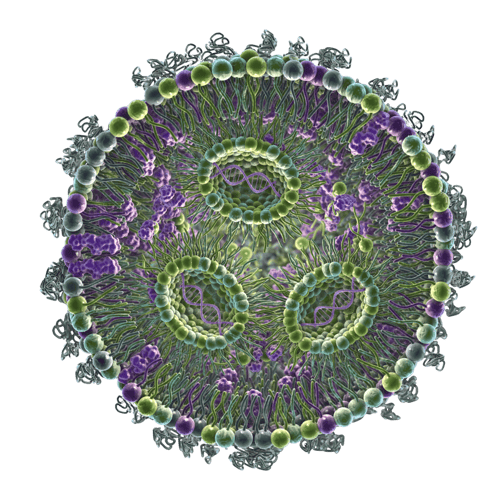
This leaflet outlines Curapath’s lipid- and polymer-based CDMO platform for advanced drug delivery, covering drug substance and drug product development, analytical services, GMP manufacturing, and sterile Fill & Finish capabilities.


segundo
PEG‑Free Shielding Lipids

Frequently asked Questions

Curapath is a European Contract Development and Manufacturing Organization (CDMO) specialized in lipid- and polymer-based delivery systems. We support biotech and pharmaceutical companies from early development through GMP-ready manufacturing.


Our core expertise includes polymer and lipid excipients, lipid nanoparticles (LNPs), polymer nanoparticles (PNPs), polymer–drug conjugates, and coating polymers.

Reaction efficiency and aqueous compatibility determine how uniformly ligands are displayed. Proper orientation improves receptor binding and enhances extrahepatic uptake. Additional control over stoichiometry helps reduce off‑target interactions. These parameters ultimately shape the reproducibility and scalability of targeted LNP formulations. 


They maintain colloidal stability while reducing PEG‑associated immune responses. This enables cleaner ligand presentation and more predictable in vivo behavior. Their tunable architecture supports higher ligand accessibility at the surface. This combination strengthens targeting precision and improves formulation robustness.

Active targeting enables more selective delivery beyond the liver by using specific ligands. This improves tissue specificity and broadens therapeutic applications. It also supports dose reduction by increasing uptake efficiency. As a result, it expands the therapeutic window for advanced RNA and gene‑delivery platforms.


They avoid PEG‑related limitations while maintaining steric stabilization. This increases formulation flexibility and supports safer, repeatable dosing. PEG‑free systems also improve compatibility with active targeting strategies by reducing steric hindrance. Their biodegradability contributes to better long‑term tolerability. 

Platforms like CliCr® chemistry enable fast, high‑yield ligand attachment under mild conditions. This improves reproducibility and supports complex multivalent designs. Their modularity allows integration with diverse lipid architectures and payloads. These capabilities raise broader questions about how conjugation platforms can shape future RNA, protein, and nanoparticle engineering strategies. 

You can discuss a project with Curapath by leaving a message here or reaching out to bd@curapath.com

Lipid-Nanopeptide_0
Support for Your Therapeutic Program

Contact a Chemist Today

Contact Us, and we can discuss your specific therapeutic program and how Curapath can help build the right solution to advance your unique drug.