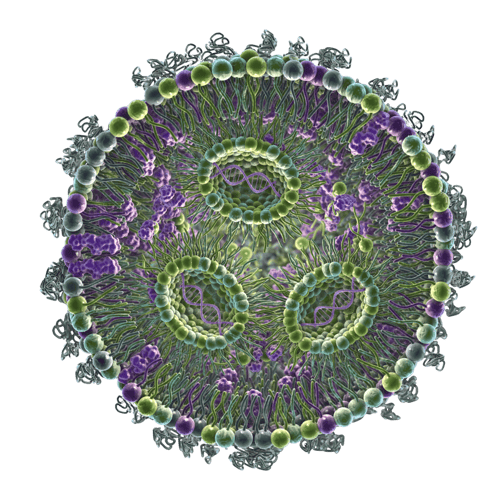
Analytical Methods for Lipid Nanoparticles (LNPs)
A practical overview of analytical strategies used to characterize lipid nanoparticle formulations throughout development, in-process control, and final product release.
Fill Out The Form To Begin Your Download
Lipid nanoparticles are highly sensitive delivery systems whose performance depends strongly on formulation parameters and manufacturing conditions.
Robust analytical methods are therefore essential to ensure reproducibility, quality control, and regulatory readiness.
This application note provides an overview of key analytical techniques used to monitor critical LNP attributes from early development through GMP manufacturing.
Why LNP Analytical Characterization Is Critical
Lipid nanoparticles combine multiple functional components: ionizable lipids, helper lipids, shielding systems, and nucleic acids, into highly dynamic nanostructures.
Even small variations in formulation parameters can influence:
- Particle size distribution
- encapsulation efficiendy
- lipid composition
- Formulation stability
- delivery perfomance
Developing reliable analytical workflows is therefore essential to support formulation development, process monitoring, and manufacturing reproducibility.
This application note discusses how analytical strategies can help developers better understand and control these parameters across the LNP development proce
Analytical Technologies Used for LNP Characterization
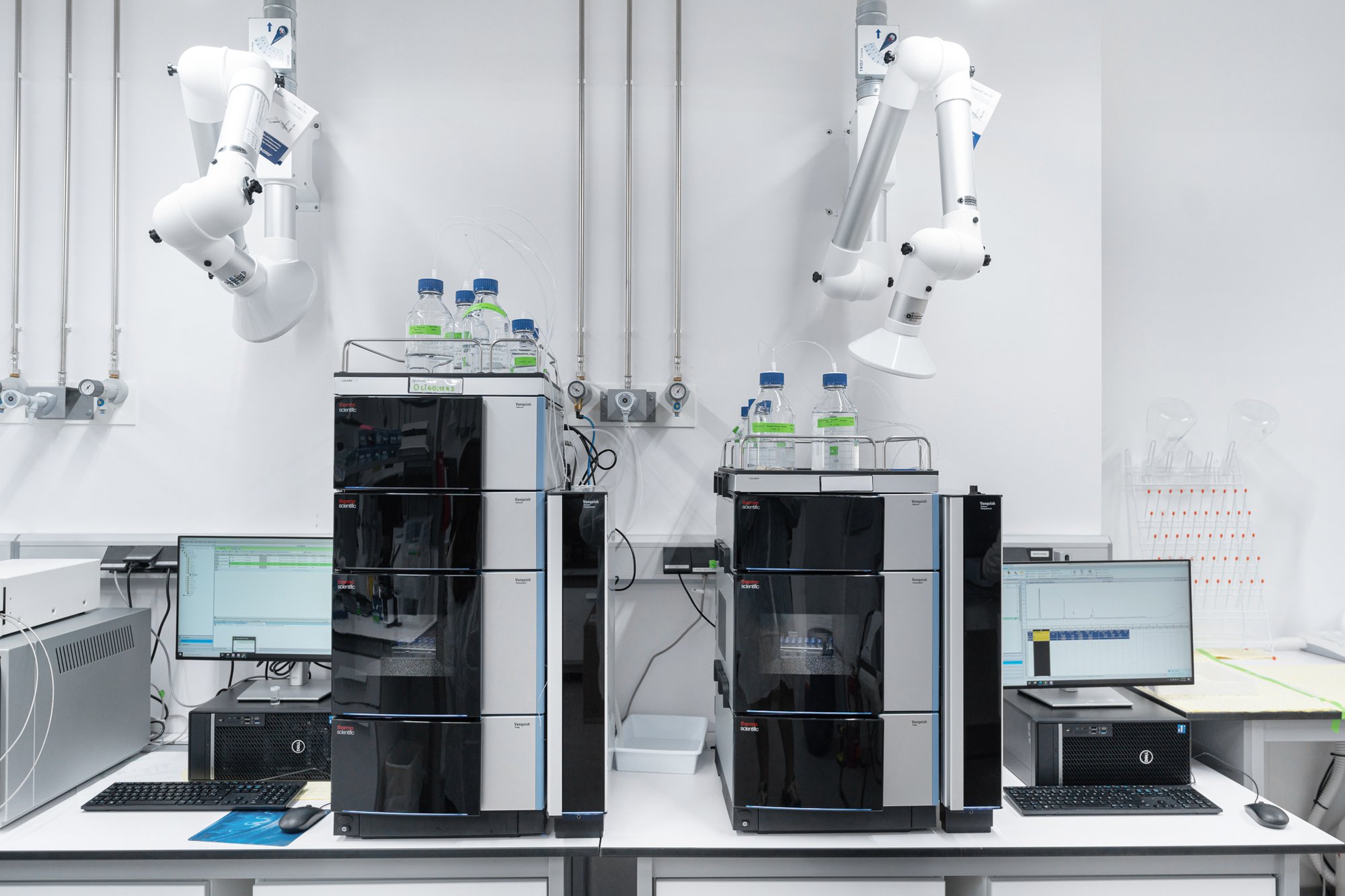
Characterizing lipid nanoparticle systems typically requires a combination of orthogonal analytical techniques capable of evaluating both the nanoparticle structure and its molecular components. .
Different analytical tools are used throughout development to monitor critical formulation attributes and ensure consistency during scale-up and manufacturing.
Among the analytical technologies referenced in this application note:
- Dynamic Light Scattering (DLS) for particle size and polydispersity assessment
- HPLC-CAD for lipid quantification and composition analysis
- UV–Vis spectroscopy for nucleic acid measurement
- RiboGreen fluorescence assays for encapsulation efficiency evaluation
- Headspace GC-FID for residual solvent detection
Developing reliable analytical workflows is therefore essential to support formulation development, process monitoring, and manufacturing reproducibility.
The application note provides an overview of how these analytical tools contribute to robust formulation development and quality control strategies.
Explore additional Curapath resources covering advanced drug delivery systems, analytical characterization, and nanoparticle development.
Discover technical insights, application notes, and scientific content designed to support RNA therapeutics, lipid nanoparticles, and polymer-based delivery platforms.
Curapath Product Catalog
Discover Curapath's cutting-edge offerings in our catalog. Explore our LNP and PNP components, as well as our polymer conjugates, all designed to advance drug delivery. Enhance your research and development with our high-quality products.
Formulation Development Services
Discover Curapath’s Essential, Advanced, and Expert formulation packages for LNP & PNP systems, flexible, cost-effective solutions for drug delivery development.
Next generation LNP Development
Certest and Curapath have joined forces to develop a novel LNP formulation leveraging the complementary Benefits of their proprietary excipients
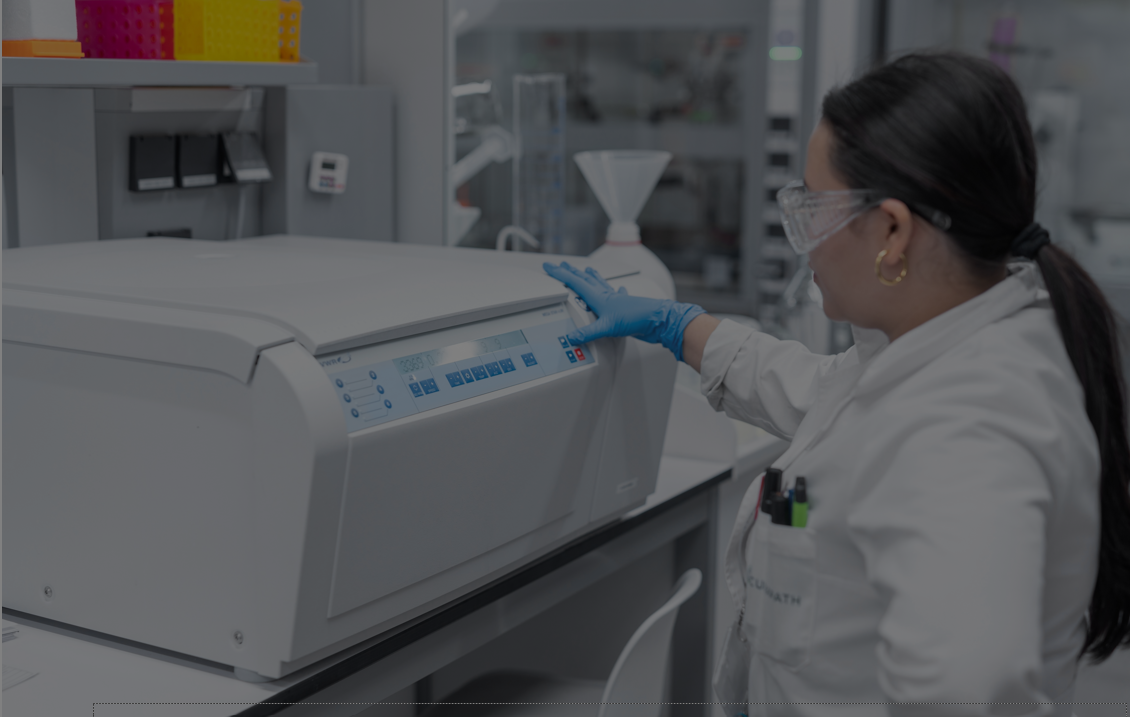
CDMO Services Brochure
This leaflet outlines Curapath’s lipid- and polymer-based CDMO platform for advanced drug delivery, covering drug substance and drug product development, analytical services, GMP manufacturing, and sterile Fill & Finish capabilities.
Nanotalks
NanoTalks by Curapath is your gateway to the future of healthcare nanotechnology. In each episode, we explore the latest trends in lipid and polymer nanoparticles a groundbreaking field transforming how next-generation therapies and vaccines are developed.
Frequently asked Questions
Curapath is a European Contract Development and Manufacturing Organization (CDMO) specialized in lipid- and polymer-based delivery systems. We support biotech and pharmaceutical companies from early development through GMP-ready manufacturing.
Our core expertise includes polymer and lipid excipients, lipid nanoparticles (LNPs), polymer nanoparticles (PNPs), polymer–drug conjugates, and coating polymers.
Lipid nanoparticles (LNPs) are characterized using multiple analytical techniques designed to evaluate particle properties and molecular composition. Common analytical methods include Dynamic Light Scattering (DLS) for particle size distribution, HPLC-CAD for lipid quantification, UV–Vis spectroscopy for nucleic acid measurement, RiboGreen fluorescence assays for encapsulation efficiency, and Headspace GC-FID for residual solvent detection.
These analytical methods help developers monitor key formulation attributes and support the development of robust lipid nanoparticle systems for RNA therapeutics and advanced drug delivery platforms.
Lipid nanoparticles are typically analyzed using a combination of orthogonal analytical methods that evaluate both nanoparticle structure and formulation composition. During formulation development, analytical tools are used to monitor parameters such as particle size, polydispersity, nucleic acid encapsulation efficiency, lipid composition, and formulation stability.
These analytical workflows help researchers understand formulation behavior and ensure consistent nanoparticle performance as development programs move toward process optimization and manufacturing scale-up.
Analytical characterization is essential for lipid nanoparticle (LNP) formulations because small variations in formulation parameters can significantly impact particle stability, delivery efficiency, and safety.
Analytical methods allow developers to monitor critical quality attributes (CQAs) such as particle size distribution, lipid composition, and RNA encapsulation efficiency. By tracking these parameters throughout development, analytical workflows support reproducible formulation performance, scalable manufacturing processes, and regulatory-aligned production strategies.
Several parameters are commonly evaluated during lipid nanoparticle characterization to ensure consistent formulation performance. These include particle size and polydispersity index (PDI), nucleic acid encapsulation efficiency, lipid concentration and composition, residual solvent levels, and formulation stability.
Monitoring these attributes helps developers understand how formulation parameters influence nanoparticle structure and delivery performance, supporting the development of reliable RNA delivery systems and other nanoparticle-based therapeutics.
Yes. Analytical methods play a critical role in supporting the transition of lipid nanoparticle formulations from early development to scalable manufacturing.
By monitoring key formulation attributes throughout development, analytical workflows help ensure process reproducibility, formulation consistency, and quality control during scale-up. These analytical strategies are essential for supporting the production of lipid nanoparticle systems intended for RNA therapeutics, gene therapies, and other advanced drug delivery applications.
Contact a Chemist Today
Contact Us, and we can discuss your specific therapeutic program and how Curapath can help build the right solution to advance your unique drug.